
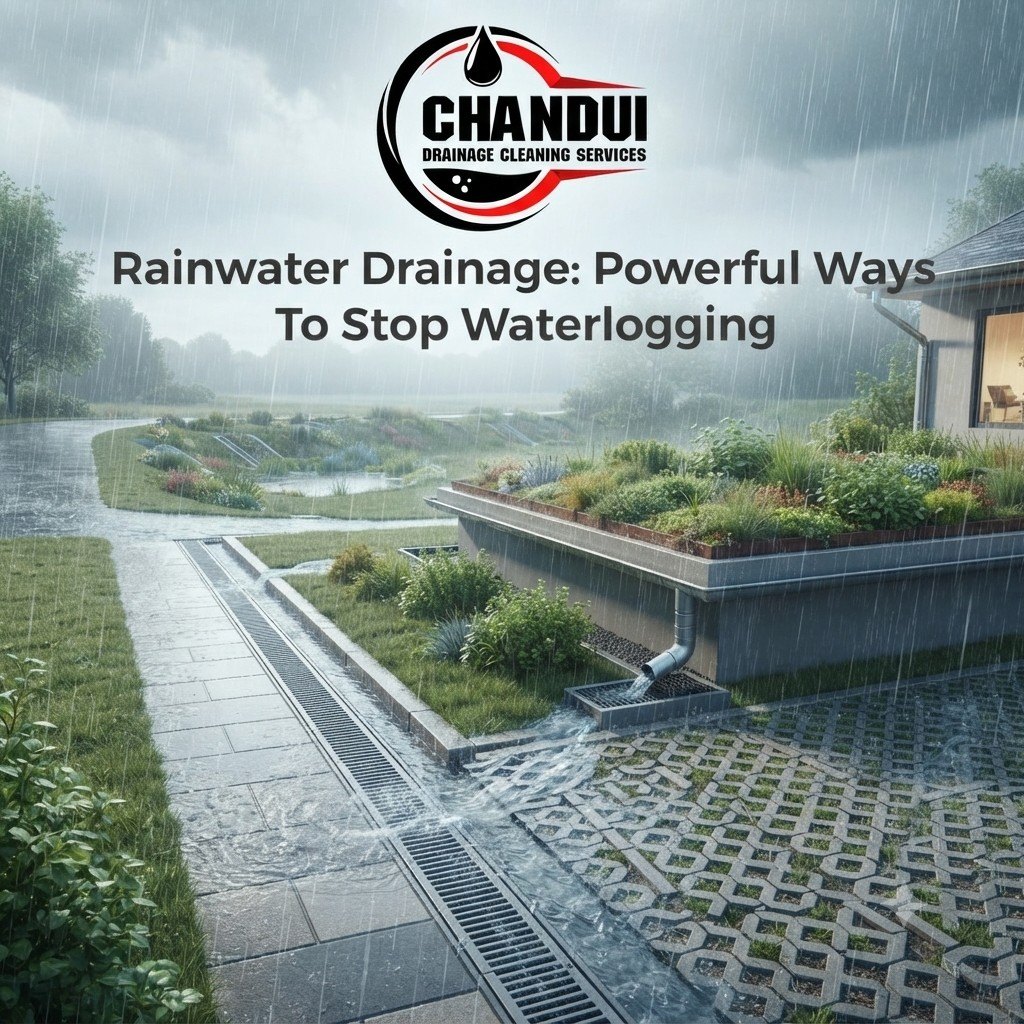
Heavy rainfall can quickly turn clear outdoor spaces into waterlogged areas when excess water has nowhere to flow. Poor drainage around homes, commercial buildings, roads, and other properties can lead to standing water, slippery surfaces, soil erosion, unpleasant smells, and damage to surrounding structures.
A properly planned rainwater drainage system helps collect and direct excess rainwater away from important areas. However, even a well-designed system can become ineffective when leaves, soil, plastic waste, or other debris block the flow.
Understanding how drainage works and identifying problems early can help you reduce waterlogging and protect your property during heavy rainfall.
Why Is Rainwater Drainage Important?
Rainwater needs a clear path to move away from buildings and outdoor areas. Without proper drainage, water can collect around foundations, entrances, driveways, gardens, and low-lying sections of a property.
An effective rainwater drainage arrangement collects water from suitable surfaces and directs it toward a safe discharge point. Depending on the property, this may involve surface drains, channels, gutters, downpipes, collection pits, or underground pipelines.
Good drainage can also reduce the pressure placed on surrounding soil and help prevent repeated water accumulation after rainfall.
What Causes Rainwater To Accumulate?
Waterlogging does not always mean that a property has no drainage system. Several problems can prevent water from flowing correctly.
Common causes include:
- Blocked surface drains
- Accumulation of leaves and soil
- Damaged or collapsed drainage pipes
- Poor ground slope
- Insufficient drainage capacity
- Clogged gutters and downpipes
- Improperly positioned outlets
- Construction debris entering drains
- Heavy rainfall exceeding the system’s capacity
In some properties, an existing water drainage system may work normally during light rain but struggle when rainfall becomes intense. This can reveal capacity or maintenance problems that are not obvious during dry weather.
How Can You Prevent Waterlogging Around Your Property?
Preventing waterlogging starts with keeping drainage paths clear and making sure water can move toward the correct outlet.
Rainwater runoff can increase around buildings, roads, and other hard surfaces, so proper stormwater management is important for controlling excess water. The U.S. EPA’s stormwater runoff guidance explains these effects in more detail.
1. Keep Outdoor Drains Clear
Leaves, mud, plastic, and other debris can accumulate inside open drains. Before and during the rainy season, inspect visible drainage points and remove materials that restrict water flow.
Regular cleaning is particularly important for properties surrounded by trees or areas where soil and debris can easily enter drains.
2. Clean Gutters And Downpipes
Roof gutters collect a significant amount of rainwater. When they become blocked, water can overflow near walls and foundations instead of reaching the intended drainage point.
Cleaning gutters and checking downpipes can help maintain a continuous flow during heavy rainfall.
3. Check The Ground Slope
The surrounding ground should allow water to move away from important structures. Low spots can trap rainwater and create standing pools.
If the same area repeatedly collects water after every major rainfall, the problem may involve the surface slope rather than only a blocked drain.
4. Inspect Drain Connections
A rain drain can become ineffective when its connection to another drainage section is damaged, blocked, or incorrectly positioned.
If water drains slowly despite regular surface cleaning, the obstruction may be deeper inside the system. Professional inspection can help identify the actual cause.
5. Avoid Dumping Waste Into Drains
Plastic bags, food waste, construction materials, and other solid items should never be disposed of through outdoor drains.
Even small amounts of waste can combine with leaves and mud, creating larger blockages over time.
What Happens When Rain Drains Become Blocked?
A blocked rain drain can cause water to remain on the surface instead of moving toward the intended outlet.
You may notice:
- Water collecting around drain openings
- Slow drainage after rainfall
- Overflow from drainage channels
- Muddy or foul-smelling standing water
- Water entering low-lying areas
- Repeated puddles in the same location
- Increased mosquito activity around stagnant water
Ignoring these signs can allow a minor obstruction to develop into a larger drainage problem.
If blocked drainage is accompanied by wastewater backup or foul-smelling water, sewage cleaning services may be required to address the problem properly.
How Does Proper Water Drainage Protect Buildings?
Effective water drainage does more than remove visible standing water. It can help control where excess water travels around a property.
When water repeatedly remains close to walls or foundations, prolonged moisture exposure can contribute to dampness and deterioration. Water can also enter low points around entrances, basements, parking areas, and other vulnerable sections.
A suitable drainage arrangement helps move excess water toward an appropriate discharge point instead of allowing it to remain near the structure.
When Should You Get A Drainage Inspection?
Some drainage problems can be addressed by removing visible debris. However, professional assistance may be useful when the same problem keeps returning.
Consider arranging an inspection if:
- Drains overflow repeatedly
- Water remains for several hours after rainfall
- A drain produces unusual smells
- Water backs up from a drainage opening
- Underground pipes may be blocked
- Several drainage points stop working together
- The property experiences frequent waterlogging
- You notice damaged or collapsed drainage sections
Repeated problems can indicate an obstruction or structural issue below the surface.
How Can Professional Drain Cleaning Help?
Professional drainage cleaning can help remove accumulated dirt, mud, debris, and other obstructions from drainage systems.
A technician can first assess where the water is failing to flow. Depending on the situation, cleaning may involve opening accessible drain points, removing accumulated material, or using suitable equipment to clear deeper blockages.
For properties that experience seasonal problems, preventive cleaning before periods of heavy rainfall can also help reduce the chance of sudden overflow.
The goal is not simply to remove water from one location. The entire drainage path should allow water to move efficiently toward its intended outlet.
Professional drainage cleaning services can help remove accumulated dirt, mud, debris, and other obstructions from drainage systems.
How Should You Maintain Drainage Before Heavy Rain?
Preparing your property before heavy rainfall can reduce avoidable drainage problems.
A simple maintenance routine can include:
- Inspect outdoor drains for visible debris.
- Remove leaves, plastic, and accumulated soil.
- Clean roof gutters and check downpipes.
- Check areas where water normally collects.
- Look for damaged drain covers or channels.
- Make sure drainage outlets are not obstructed.
- Arrange professional cleaning if water flow remains slow.
Regular maintenance is particularly useful before the monsoon or other periods when heavy rainfall is expected.
What Should You Do If Waterlogging Keeps Returning?
Frequently Asked Questions
How Does Rainwater Drainage Prevent Waterlogging?
A properly planned rainwater drainage system collects excess rainwater and directs it toward a suitable discharge point. Keeping the system clear helps maintain proper water flow.
Why Does My Rain Drain Overflow During Heavy Rain?
A rain drain may overflow because of accumulated debris, blocked pipes, insufficient capacity, poor slope, or rainfall that exceeds the system’s ability to handle the incoming water.
How Often Should Outdoor Drains Be Cleaned?
The required frequency depends on the property’s surroundings and drainage conditions. Properties with trees, loose soil, or frequent debris may require more regular cleaning.
Can Blocked Drains Cause Water Damage?
Yes. Persistent water accumulation around buildings can increase moisture exposure and may contribute to dampness or deterioration if the underlying problem is not addressed.
What Is The Best Way To Prevent Drain Blockages?
Regular inspection, removal of debris, gutter cleaning, proper waste disposal, and timely professional cleaning can help keep drainage systems functioning effectively.
What Is The Best Way To Maintain Rainwater Drainage?
Effective rainwater drainage is essential for moving excess water away from buildings and outdoor spaces during heavy rainfall. Blocked drains, poor slopes, damaged pipes, and accumulated debris can all contribute to waterlogging.
Regular inspection and timely cleaning can help you identify drainage problems before they become more difficult to manage. If water continues to collect despite basic maintenance, professional drainage inspection can help identify the underlying cause and determine the appropriate solution.
For reliable drainage cleaning and related services, visit the Chandu Drainage Service website to learn more about our solutions.
Need Professional Drainage Help? Contact Chandu Drainage Service
If you continue to experience waterlogging or drainage issues, contact Chandu Drainage Service for professional inspection and reliable drainage solutions.