
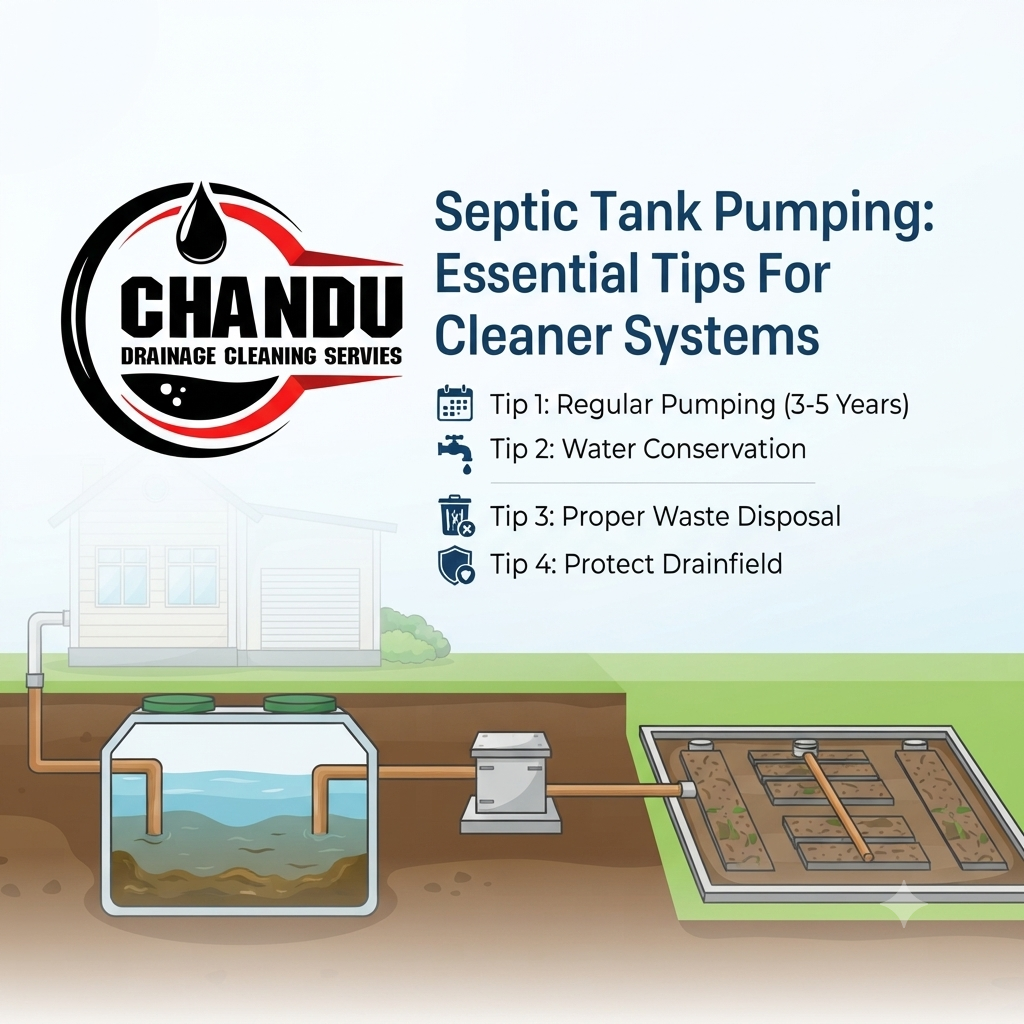
Septic tank pumping removes unwanted sludge that has built up in the container from toilet waste and other sources. Leaving the mess can cause clogging in the system and create foul-smelling odors.
Tank servicing also helps detect issues, such as excessive sludge, with the drainpipes. Recognizing the signs of a full septic tank will prevent you from experiencing emergency clean outs and messy clean ups at inconvenient times.
When Does A Septic Tank Need Pumping?
While it may seem obvious when the tank is full, there are other subtle ways to determine if it requires servicing.
These are:
- Slow draining from sinks, tubs and toilets.
- Notice any bad smell from the system.
- Water backing up near the tank
- Excessive clogging in the drains and sewers
- Gurgling noises emanating from the sink
- Sewage backing up in the drain pipes.
- Overflow of wastewater around the tank area.
If most or all of these signs apply to you, it is time to call a professional service to inspect it rather than trying to use it further.
The septic tank pumping process will eliminate the sludge from your tank once it is fully serviced.
What Happens During Septic Tank Pumping?
Regular septic tank pumping also helps prevent sludge buildup, unpleasant odors, slow drainage, and potential overflow. Professional pumping ensures the tank is emptied properly while allowing early signs of damage or other system issues to be identified.
How Does Septic Tank Emptying Work?
As mentioned before, the septic tank emptying process removes the unwanted waste matter from the tank with the help of special suction devices.
The procedure differs from simply opening the tank and clearing the blockage.
Before the service procedure, the emptying expert has to acquire information concerning the placement, accessibility and general size of the tank to ensure there are no difficulties involved in the process.
During the septic tank emptying procedure, the suction equipment is used to extract the accumulated waste matter from the tank.
After that, the extracted matter must be disposed of by the professionals according to the relevant environmental procedures.
The demand for septic tank emptying depends on the size and capacity of the tank and how much waste it accumulates. Septic tank emptying is normally performed more regularly for larger tanks as compared to smaller ones.
What Is Included In Septic Tank Cleaning?
This maintenance procedure typically entails removing waste matter from the tank so that it regains some storage volume.
Depending on the problem observed in the tank, the cleaning procedure could include removing the contents of the tank, looking out for visible problems and examining the accessible parts for obstructions.
It is essential to understand that cleaning the tank does not constitute a regular maintenance procedure.
When the tank fills up more rapidly than anticipated, it may signify an underlying problem. Calling in professionals for septic tank cleaning may be necessary under the following circumstances.
If the tank has been left alone for too long with an overfilled volume.
There are foul smells emanating from the area and frequent blockages occurring in the drain pipes
For general information on Indian standards related to septic tanks, you can refer to the Bureau of Indian Standards (BIS).
How Often Should A Septic Tank Be Serviced?
There is no specified schedule that applies whether you have a big or small house.
Your family size and the overall volume of wastewater that goes into the tank are more crucial indicators of the servicing frequency.
Septic tank cleaning frequency also depends on:
The overall tank size and how often it fills.
Family or household size determines the amount of wastewater effluent entering the tank.
The frequency with which everyone in the household uses the water in the tank.
The level of solid matter effluent in the tank.
The previous servicing of the tank and the current condition of the septic system.
The most important thing one can do is observe how fast the water drains from the tank rather than waiting until there is a blockage or overflow backup.
What Should You Avoid Putting Into A Septic Tank?
What you put into the tank significantly impacts the amount of material that accumulates in the septic system.
Avoid disposing of the following materials into the tank:
- Wet wipes and feminine towels
- Disposable cotton swabs
- Grease and oil from cooking.
- Chemical and other hazardous waste materials
- Thick layers of toilet tissues
- Non- biodegradable household materials.
Limiting the introduction of these wastage materials reduces the solid matter effluent and minimizes excessive sludge accumulation, which means the next cleaning session will be a less frequent occurrence.
What Problems Can Happen If A Septic Tank Is Not Serviced?
Overlooking the tank leads to more severe problems that could have been preventable.
As the tank fills up, the wastewater in it flows back into other drains, causing them to malfunction at varying degrees.
The issues begin with clogging in the system and then move on to foul smell emanating from the faulty drains.
Tank overflow can cause wet patches on the grounds in the vicinity of the tank.
Leftover wastewater can create highly unsavory conditions.
Tank pumping eliminates the waste materials that have accumulated in the tank.
However, you may not get significant results if other drainpipe problems exist.
Always seek professional cleaning for the tank in such instances.
If the problem extends beyond the septic tank, you can also explore professional drainage cleaning services to identify and address blockages in connected drainage lines.
How Can You Prepare For Septic Tank Emptying?
Preparatory measures contribute greatly towards smoothening the septic tank pumping process.
First, locate the access point to the tank and ensure the area is free of objects. This saves time searching for a way to open the point of access when the time for tank emptying arrives.
You should also inform the tank emptying service personnel of any problems you have experienced with the tank, such as drain obstructions in the past.
During the septic tank pumping procedure, it is essential to keep children and animals away from the worksite. Do not use the bathrooms unless the emptying technician gives the signal; otherwise, you could cause more harm to the drains.
Taking proper precautions helps make the whole septic tank pumping experience better.
When Should You Contact A Professional?
You should contact a professional cleaner when the tank fills more than half or experiences slow drainage.
Professional cleaners come with the right equipment to safely remove the waste and sludge without you risking your health.
Call professional assistance when too much time has lapsed since the last emptying session.
If multiple clog backups occur in the tank after cleaning, contacting a professional assistant is critical.
When the tank suddenly overflows after cleaning, inform the emptying technician of a probable underlying problem.
Consulting the professional service personnel ensures long-lasting functionality of the septic system.
For recurring problems involving connected sewer lines, you can also consider professional sewer cleaning services to address blockages and restore proper wastewater flow.
How Can Chandu Drainage Cleaning Help?
A septic tank requires regular service when unwanted sludge and wastewater fill it to its brim or exceed its capacity.
A septic tank pumping procedure removes the sludge and restores the usable volume in the tank.
Chandu Drainage Cleaning offers septic tank cleaning services and takes care of all your tank cleaning problems.
The services may vary depending on the severity and nature of the problem. Inspection can begin the moment an individual contacts the drain cleaning company, and they can decide on the appropriate course of action.
When the tank backs up or overflows, it spoils the atmosphere around the tank with unpleasant odors or stagnant wastewater.
Call Chandu Drainage Cleaning today to let our specialists help you identify a solution for your tank cleaning problems.
Frequently Asked Questions
How Do I Know If My Septic Tank Needs Pumping?
Septic tanks usually indicate that they need pumping when drains begin to function slower than before, bad smell begins to emanate from the tank, sewage backups occur in the tank or wastewater flows around the tank.
Is Septic Tank Emptying The Same As Pumping?
They differ primarily in the description of the process, although both procedures take place manually.
How Often Should Septic Tank Cleaning Be Done?
The process requires different considerations depending on the size of the tank, the frequency with which it fills, the volume of wastewater and solid matter effluent it accumulates, and the overall size of the household.
Can A Septic Tank Overflow Be Prevented?
Tank overflow is avoidable and is managed by tank pumping on a timely basis and taking suitable measures when the tank overflows.
What Should I Do If My Septic Tank Fills Quickly?
Frequent filling may be a sign of a faulty tank or one that is too small to contain the effluent wastewater and should call in a professional to investigate this problem before attempting to pump the tank.
Need Professional Septic Tank Cleaning Services?
If you need reliable septic tank cleaning or drainage assistance, contact Chandu Drainage Cleaning to discuss your requirements and arrange the appropriate service.