
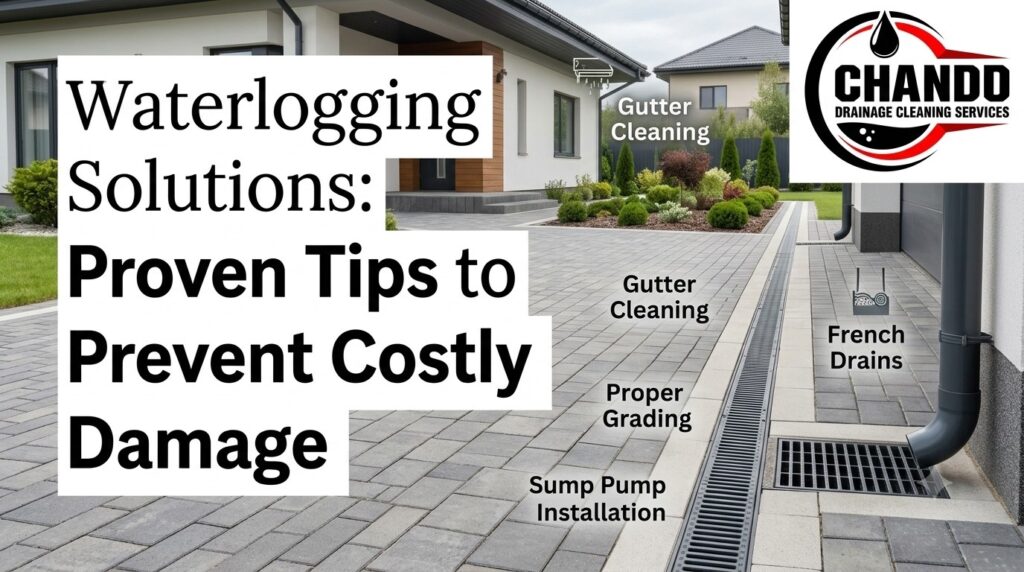
Waterlogging Solutions: Proven Tips to Prevent Costly Damage
Waterlogging occurs when excess water collects on roads, in gardens, parking areas, or around buildings because it cannot drain away properly. Blocked drains, heavy rainfall, poor ground slopes, and damaged drainage pipes can all contribute to the problem. Identifying the cause early helps prevent property damage, unpleasant odours, and recurring drainage issues.
For homes, restaurants, apartments, and commercial properties, effective drainage is essential during the rainy season. Understanding the warning signs and knowing when to call a drainage professional can help you manage standing water before it becomes a bigger problem.
What Are The Common Causes Of Waterlogging?
Several drainage and site conditions can cause water to accumulate around a property.
- Blocked drainage lines: Leaves, plastic waste, mud, grease, and other debris can restrict the flow of water through drainage pipes. When the water cannot pass through the blockage, it may collect around drain openings or overflow into nearby areas.
- Heavy rainfall: Intense rainfall can send more water into a drainage system than it can handle. This is particularly challenging when drains are already partially blocked or the property has insufficient stormwater drainage capacity.
- Poor ground slope: Outdoor surfaces should direct rainwater towards suitable drainage outlets. If a driveway, courtyard, or parking area slopes towards a building instead, water may collect near entrances and foundations.
- Damaged drainage pipes: Cracked, collapsed, or misaligned pipes can interrupt water flow. Underground damage may not be immediately visible, but repeated standing water or slow drainage can indicate a problem.
- Blocked drainage chambers: Silt, debris, and accumulated waste can reduce the available flow through drainage chambers. If the obstruction is not removed, water may back up during periods of heavy rain.
How Can You Prevent Waterlogging Around Your Property?
Regular maintenance and a few practical precautions can reduce the risk of standing water.
- Clean drain openings regularly: Remove leaves, plastic, mud, and other visible debris from accessible surface drains.
- Inspect drainage chambers: Arrange periodic cleaning if silt and waste accumulate inside accessible chambers.
- Keep roof outlets clear: Check gutters and downpipes so rainwater can reach the intended drainage outlet.
- Check outdoor slopes: Look for low spots in courtyards, driveways, and parking areas where water repeatedly collects.
- Dispose of grease properly: Restaurants and commercial kitchens should avoid pouring cooking oil, grease, and food waste into drainage pipes.
- Schedule inspections before monsoon: Identifying blockages and damaged pipes before heavy rainfall can help reduce unexpected drainage problems.
Do not open manholes or enter drainage chambers yourself. These areas may contain toxic gases, contaminated water, and other serious hazards. Leave inspection and cleaning of hazardous drainage systems to trained professionals.
Regularly clearing debris and addressing recurring blockages can help prevent standing water; learn more about the common causes of drain blockage and how to prevent them.
How Can You Identify A Serious Drainage Problem?
Standing water after a short shower does not always indicate a major fault. However, certain warning signs suggest that the drainage system needs attention.
Watch for these problems:
- Water remains in the same location long after rainfall has stopped.
- Multiple drains become slow or overflow at the same time.
- Wastewater or sewage backs up through a drain.
- Persistent foul smells come from drainage openings.
- Water repeatedly accumulates near building entrances or basement ramps.
- You notice damp patches or unexplained moisture near walls and foundations.
If the water contains sewage, keep children and pets away from the affected area. Avoid direct contact and seek professional assistance. If water threatens electrical equipment, do not enter the flooded area or touch wet electrical fittings.
Which Drainage Solutions Can Help Reduce Waterlogging?
The correct solution depends on why water is accumulating. Removing visible debris may be sufficient for a minor surface blockage, while a damaged underground pipe or an inadequate stormwater system may need more extensive work.
Drainage line cleaning: Professional cleaning can help remove accumulated debris and restore flow where a blockage is responsible for standing water.
Drainage chamber cleaning: Clearing built-up silt and waste from accessible drainage chambers can improve water movement through the system.
Sewage line cleaning: If wastewater is backing up because of a sewage blockage, the affected line may need specialised cleaning. Stormwater and sewage systems should be assessed separately to identify the actual source of the problem.
Pipe inspection and replacement: If a pipe is cracked, collapsed, or severely damaged, cleaning alone may not solve the issue. A professional inspection can help determine whether repair or replacement is necessary.
Surface drainage improvements: Persistent pooling caused by poor slopes or insufficient drainage capacity may require changes to surface levels, drain inlets, or stormwater arrangements. Larger drainage upgrades should be assessed by an appropriately qualified professional.
Proper stormwater drainage helps remove excess rainwater and reduce waterlogging, as explained in this overview of stormwater drainage and waterlogging prevention
When accumulated waste or debris blocks underground sewer lines, a professional sewer cleaning service can help clear obstructions and restore proper wastewater flow.
When Should You Contact A Drainage Cleaning Service?
Consider contacting a drainage professional when standing water keeps returning despite basic cleaning, multiple drains are affected, or you notice sewage backup or damaged pipes.
Chandu Drainage Services can be contacted for drainage-related assistance, including drainage cleaning, chamber cleaning, sewage cleaning, and pipe replacement. The appropriate service depends on the cause and location of the problem.
When requesting assistance, explain where the water is collecting, how long it has remained there, whether the issue occurs after rainfall, and whether there is any sewage backup. These details help the service provider understand the problem and assess the next steps.
Do not assume that every flooded area requires drain cleaning. If the problem comes from poor ground slope, inadequate stormwater capacity, or a damaged pipe, a different solution may be needed.
How Can You Prepare Your Drainage System Before The Monsoon?
A pre-monsoon check can help identify issues before heavy rainfall places extra pressure on the drainage system.
- Inspect accessible outdoor drains and remove loose debris.
- Arrange professional cleaning for chambers or lines that show signs of blockage.
- Check roof gutters and downpipes for obstructions.
- Look for recurring puddles in parking areas, courtyards, and entrances.
- Investigate slow drainage, foul smells, or repeated overflows.
- Confirm that rainwater outlets are not obstructed by stored materials or waste.
For persistent flooding or water entering buildings, seek a professional assessment rather than relying on repeated surface cleaning. In severe weather, follow local authorities’ safety instructions and avoid walking or driving through floodwater.
Frequently Asked Questions
What Is The Main Cause Of Waterlogging?
Common causes include heavy rainfall, blocked drains, poor surface slopes, damaged pipes, and insufficient stormwater drainage capacity. The actual cause depends on the location and drainage conditions.
Can Blocked Drains Cause Waterlogging?
Yes. When debris, mud, grease, or waste restricts a drain, water may collect around the opening or overflow. Professional cleaning can help when a blockage is the cause.
How Can I Prevent Waterlogging During The Monsoon?
Keep accessible drain openings clear, inspect gutters and drainage chambers, address recurring puddles, and arrange professional maintenance when you notice slow flow or repeated overflows.
Does Drain Cleaning Solve Every Waterlogging Problem?
No. Drain cleaning can resolve some blockages, but damaged pipes, poor ground slopes, and inadequate stormwater capacity may require repair or drainage improvements.
When Should I Call Chandu Drainage Services?
Contact Chandu Drainage Services when you experience recurring drainage blockages, overflowing chambers, sewage backup, or suspected pipe damage. Explain the symptoms so the appropriate service can be assessed.
Contact Chandu Drainage Services For Drainage Assistance
Recurring standing water can disrupt daily activities and may damage property if the underlying cause is not addressed. Identifying the source and choosing the correct drainage solution are important steps towards preventing the problem from returning.
If your property has blocked drains, overflowing chambers, sewage backup, or suspected drainage pipe damage, contact Chandu Drainage Services to discuss the issue and arrange suitable assistance.