
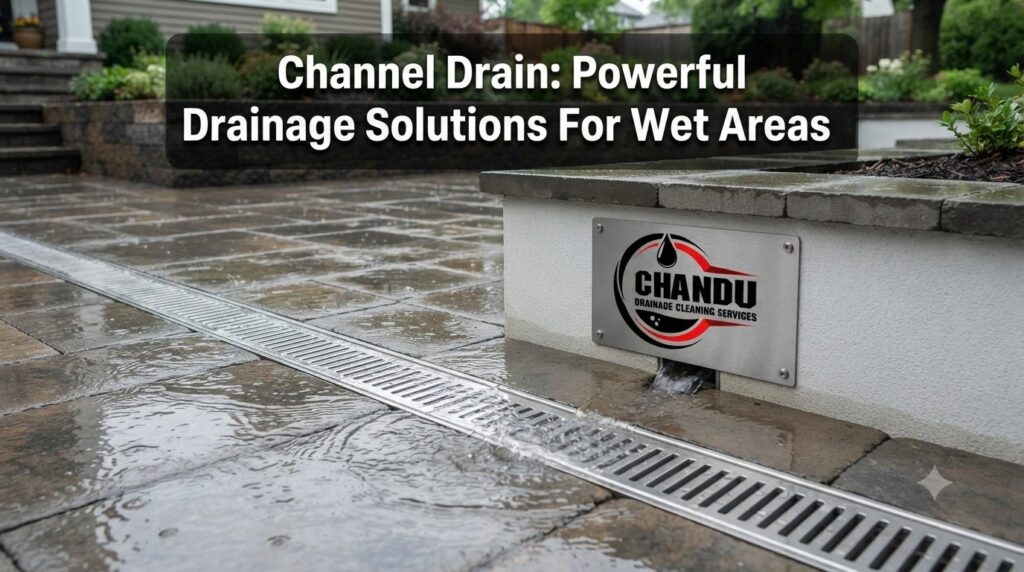
Channel Drain: Powerful Drainage Solutions For Wet Areas
Water has a tendency to find its way in and pool anywhere in a bathroom, on a driveway, balcony, garage, commercial spaces, and other wet areas. Ideal drainage systems collect this unwanted water and dispose of it elsewhere to minimize dampness, bad odors, and damp spots.
A channel drain refers to a drainage system that consists of a long channel with a grate on top that collects water along a wide surface and channels it into a disposal channel.
The drain can be incorporated in a bathroom, garage, commercial space, or any other surface and is suitable for any drainage system.
Understanding What A Channel Drain Is And How It Works
A channel drain is a drainage system, whereby a long channel or a trench with a grate is inserted at floor level to collect unwanted water along the length of the channel. Once the water has been channeled along the drain, it is disposed of along a disposal channel connected to the drainage system.
Unlike point drains that collect water from a small area, a linear drainage channel can collect water from a wide surface. This type of drainage solution is suitable for any surface with a need to dispose of water from a wide surface.
How Does A Channel Drain Work?
A channel drain generally consists of a number of components whose function is to collect and dispose of unwanted water from the desired surface. The first step in having a channel drain is to ensure that the surface has a good gradient to allow free flow of water towards the drain.
The channel is installed at a desired level on a flat surface and the grate allows for free flow and collection of water. The water collected along the channel is disposed of along a disposal pipe connected to the main drainage system.
The disposal channel connected to the drain should be in good working condition as it determines the efficiency of the drainage system.
For additional guidance on building drainage, you can refer to the BIS Code of Practice for Building Drainage.
Where Can A Channel Drain Be Used?
A channel drain can be used in a number of drainage systems such as:
Bathrooms
Linear channel drains can be used to dispose of unwanted water from large floor surfaces such as bathrooms. The channels can be used to collect water from the floor area and direct it to the connected outlet.
Driveways
A channel drain is useful in disposing of large quantities of water from a driveway. The channel drain collects the surface runoff from the driveway and directs it to an appropriate drainage outlet.
Garage
Garages are ideal places for channel drains as they dispose of unwanted water from vehicle washings and precipitation. Having a channel drain minimizes the chances of water stagnation on the garage floor.
Balconies And Terraces
Balconies and Terraces require a drainage system to dispose of unwanted water from the surface. A linear drainage system can be used to collect water from the surface and dispose of it to a drainage outlet.
Commercial Areas
Most commercial areas such as workshops, restaurants, and industries cover a large land area and require efficient drainage systems to dispose of unwanted water.
How Do Point Drains Differ From Channel Drains?
Point drains dispose of unwanted water from a small surface area. A point drain is suitable for surfaces with a need to dispose of water from a certain point towards a drainage system.
A channel drain is suitable for wide drainage areas, where water flows from a wide range of surfaces. The difference between the two drainage systems determines where each can be applied depending on the direction of flow, slope, the size of the surface, connection points, and other factors.
How Do Shower Drains Connect To The Drainage System?
Shower floors tend to accumulate a lot of water and require a reliable drainage point. Ideally, channel drains are suitable for connecting shower drainage systems as they dispose of water from a wide range of shower areas. Shower floors tend to accumulate a lot of water and require reliable shower drainage.
The connection of a shower drain is done by ensuring that there is a good gradient on the floor. The channel provides the drainage path on the floor and directs the water towards the connected outlet.
Once the connection has been established, the shower should be tested to ensure that the drain is not clogged. At times, the channel drain gets clogged and causes slow drainage and water stagnation on the floor.
For wide and large shower areas, a linear drain can be a suitable drainage solution to dispose of unwanted water.
What Problems Can A Channel Drain Encounter?
Having a channel drain on a surface does not eliminate a number of problems that can occur. The problems include:
- Accumulation of unwanted hair and dirt in the channel
- Leaves, dirt, and other unwanted substances in the drainage channel
- Accumulation of sediments in the channel that hinders drainage
- Clogged outlet in the drainage system
- Damaged or displaced grate
- Poor gradient of the surface and bad disposal channel
- Stagnation of water in the drainage channel
- Unpleasant odors from a clogged drain
It is advisable that the drainage channel be observed regularly to ensure that there are no unwanted substances in the channel. In case water is observed to be stagnating in the drain after some time, there might be a problem with the drainage system.
How Can A Channel Drain Be Maintained?
Having a channel drain is not sufficient as it requires regular maintenance to ensure that it is free from unwanted materials. The first step in maintaining a drain is to clear unwanted materials such as leaves, dirt, hair, and other foreign substances from the channel.
Drains with removable grates require regular cleaning by removing the grate and washing away the unwanted substances that have accumulated at the bottom of the channel.
Once the channel drain has been cleared and unclogged, it is essential to test if it drains water efficiently. The observation is done by testing whether the system drains water efficiently or if it gets clogged again.
When Should A Professional Be Hired To Deal With Drainage Problems?
It is normal to have occasional drainage problems. Clearing a minor blockage may sometimes be done by oneself.
However, some drainage problems require the expertise of a professional drainage cleaner. Professional drainage cleaners can be hired for the following drainage problems:
- When water has repeatedly backed up
- When the channel drain is slow after cleaning
- When there is persistent standing water
- When multiple drains are affected
- When foul smells emanate from the drainage system
- When the drain is visibly clogged
- When one suspects that the drain is damaged
Hiring a professional is a suitable option when there are persistent drainage problems.
Why Is A Good Drainage System Important?
A good drainage system ensures that unwanted water is disposed of away from the vicinity of interest. Efficient drainage minimizes moistness and unhygienic conditions in the area of interest.
A good drainage system can be achieved by using a point drain or a channel drain. The choice of the drainage system depends on the location, surface, and connection points.
A channel drain is useful when there is a need to dispose of unwanted water along a wide range of surfaces. There are other special cases that may require the use of point drains and other drainage systems.
For reliable drainage solutions and professional services, visit the Chandu Drainage Service website.
Frequently Asked Questions
What Is A Channel Drain Used For?
A channel drain is used to dispose of unwanted water from a wide range of surfaces
Are Channel Drains Suitable For Bathrooms?
A channel drain can be used in bathrooms and on wider surfaces of choice as long as there is a good gradient leading to the drain. The drainage channel collects unwanted water from a wide range of the bathroom surface.
How Often Should A Channel Drain Be Cleaned?
Channel drains should be cleaned depending on the rate at which unwanted substances that could cause blockage are deposited. Outdoor drainage channels should be cleared of leaves and dirt regularly.
Why Are My Shower Drains Draining Slowly?
Slow drainage in shower drains can be brought about by the accumulation of hair, dirt, and other unwanted substances in the drainage channel. Alternatively, slow drainage can be brought about by a clogged drain. If there is persistent slow drainage in the shower, it may indicate that the system has a number of unwanted substances that are blocking it.
Can A Blocked Drainage System Cause Bad Smells?
Yes, a blocked drainage system can cause bad smells. Accumulation of unwanted substances in the channel drain can lead to bad smells. In most cases, bad smells emanating from the drain are a result of accumulated unwanted substances in the drainage system.
What Should I Do If My Drain Keeps Getting Blocked?
If the drain keeps getting blocked, it is advisable that professional drainage cleaners be contacted. Persistent drainage problems may indicate a deeper problem with the channel drain.
Can Channel Drains Handle Heavy Rain?
If the channel drain has been designed to have a wide range and large capacity, it can handle large volumes of water. The width of the drainage channel, the gradient of the surface, and the size and capacity of the disposal channel are some of the factors that determine the efficiency of the system.
How Do I Know If I Need Drain Cleaning?
The symptoms of drainage problems indicate that drain cleaning might be necessary. Slow drainage, water accumulation around the channel drain, unpleasant odors emanating from the drainage system, and other symptoms indicate that drain cleaning may be necessary
If you need professional help with channel drain problems, contact Chandu Drainage Service for reliable drainage cleaning and solutions.