
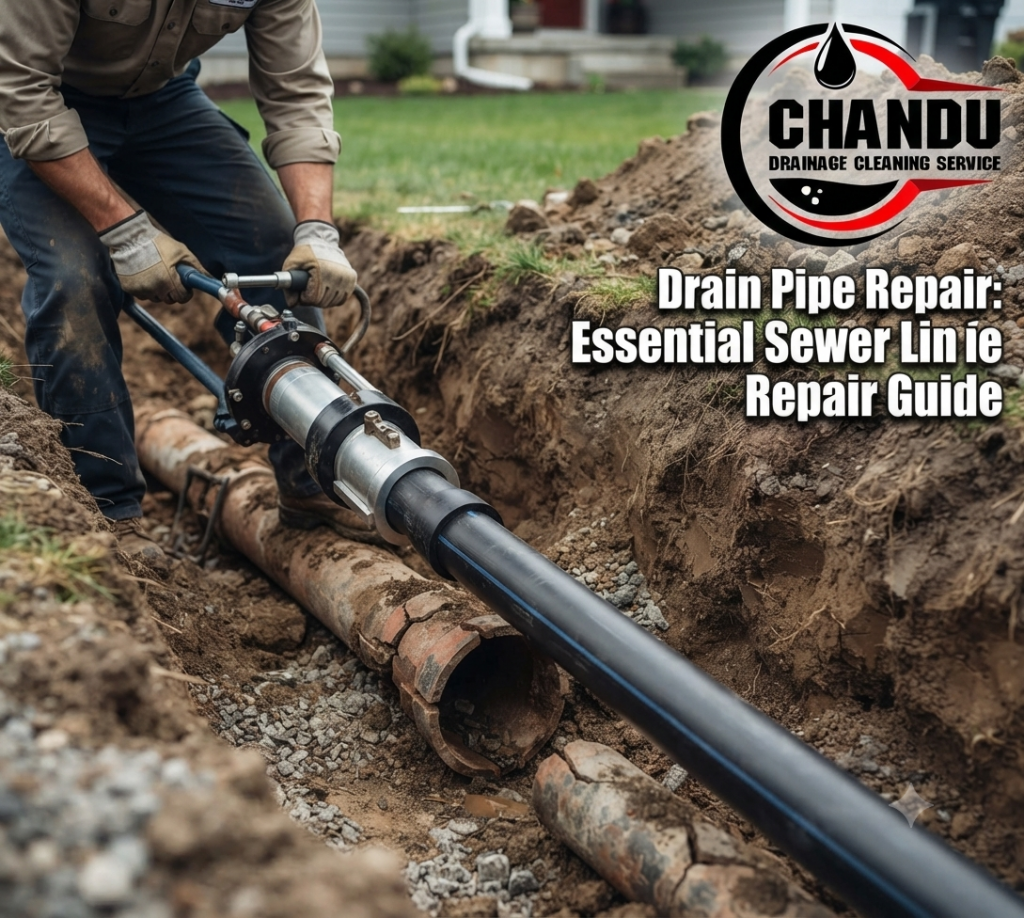
Drain Pipe Repair: Essential Sewer Line Repair Guide
Drainage issues are often seen as simple blockages that cleaning can solve. While cleaning can restore wastewater flow when an obstruction is the cause, it cannot fix cracks, faulty joints, broken sections or aging pipes. This is where Drain Pipe Repair becomes necessary.
A damaged drainage pipe can affect water flow, cause recurring problems and leak wastewater into its surroundings. Identifying whether the issue needs cleaning, Drain Repair or Sewer Repair helps property owners choose the right solution instead of repeatedly trying the same fix.
Why Drain Pipes Can Become Damaged
As drainage pipes carry wastewater through a property, several factors over a period of time can impact the state and integrity of the pipe.
Some of these factors include:
- Ageing and deteriorating pipes
- Cracks caused by pressure
- Damaged or faulty joints
- Ground movement
- Poor installation
- Tree roots entering underground pipes
- Excessive pressure around underground pipes
- Corrosion or deterioration of the material
- Works being carried out around the pipes
Each pipe and its circumstances differ and so the cause of a fault or issue will have a bearing on the type of repair or replacement required. This is why professional assistance is recommended in case of a recurrent drainage problem.
Symptoms You May Need Drain Pipe Repair
While a faulty drainage pipe can be a result of many things, several similar occurrences can be an indication that it requires professional attention.
1. The Same Drain Problem Keeps Coming Back
If the same drain has been cleaned but the same problem keeps occurring, then there is likely a root cause for the issue that is preventing it from being entirely cleared. These types of occurrences can be a result of accumulation but can also indicate a faulty, damaged or misaligned pipe. Instead of attempting to clear the drain yet again, a more extensive inspection of the pipe should be considered.
2. Water is Seeping Out Of Nowhere
Unexplained damp patches in the wall, floor or outside of one’s property could be a result of a faulty wastewater pipe.
As there are many reasons why this could be happening, it should not automatically be attributed to a drainage pipe. However, in the same way, if this is occurring near a drainage pipe or in conjunction with drainage problems, then professional assistance can identify the true culprit.
3. An Unpleasant Wastewater Smell Has Been Occurring
A foul wastewater smell should be an indicator for the potential need for Drain Pipe Repair.
While an aroma of this nature does not automatically suggest that a pipe requires inspection and repair, if it occurs alongside slow drainage, leakage or other issues, then the problem should be professionally inspected. This way, a recurring issue is not masked or ignored.
4. Several Drains Are Affected
If there are several drains that seem to be exhibiting the same issue, it is likely due to the fact that they are connected to the same drainage system.
A professional can then determine whether it is an accumulation issue, or whether there is another root cause for the occurrence.
Drain Repair vs. Drain Cleaning
It is important to understand the difference between drain repair and drain cleaning.
Drain cleaning usually focuses on the removal of material hindering the drainage and flow of wastewater. This could be in the form of accumulated matter, sediment or other obstruction.
Drain repair, however, concerns the physical problem of the drainage system and not what is hindering the flow of wastewater. If a pipe has a faulty joint, crack or broken section, Drain Pipe Repair may be necessary, as cleaning the inside of the pipe will not solve the underlying problem. This is why recurring drainage issues should be investigated instead of repeatedly attempting another cleaning session.
When Is Sewer Repair Necessary
While a property’s drainage network consists of both smaller internal drain lines and larger sewer connections, issues affecting underground or shared wastewater lines require a different approach from a simple household blockage.
Sewer Repair may be necessary when an underground or shared sewer line has significant damage, displaced sections, persistent leakage or another structural issue.
As underground sewer lines are not always easily visible, identifying where the damage is located requires professional inspection. This should not be assumed to be excavation of the entire ground in search of a problem. As the appropriate solution will vary according to the location and severity of the afflicted line, property owners should be aware that not every sewer problem requires such treatment.
For reference on Indian standards related to building drainage, sewerage systems, pipes and joints, readers can refer to the Bureau of Indian Standards (BIS), which lists standards covering building drainage and sewerage
Common Drain Pipe Problems
There are several types of physical problems that can afflict drainage pipes.
Cracked Pipes
A crack can cause wastewater to leak from the intended drainage path. Depending on the location, this can lead to dampness, odor or soil related issues.
Broken Pipe Sections
Older or highly damaged pipes can have breaks that prevent the regular flow of wastewater. A heavily damaged section may require repair or replacement.
Damaged Joints
The connection points of a pipe can be the weakest link and a damaged join can result in leakage or issues with the movement of wastewater.
Misaligned Pipes
Pipes underground can sometimes become misaligned.
The extent and cause of the misalignment will vary, but it can be the root cause of persistent flow based issues.
How Professionals Assess a Drainage Problem
The first step should be understanding what the actual problem is.
A professional can assess based on:
- The symptoms a property owner has reported
- The affected drainage points
- Whether the problem is recurring
- The location of chambers and the connected lines
- Whether there has been previous cleaning
- Whether there are signs of leakage or structural damage
- The state and access to the affected pipe
Depending on the situation, suitable inspection equipment can assist in identifying problems that a surface level inspection cannot confirm. The intention is to determine whether the property requires cleaning, repair, replacement or another type of drainage work.
What Does Drain Pipe Repair Involve
The specifics will depend on the type of damage and the location:
Step 1: Identify the Affected Section
The drain issue is assessed to determine where the issue is occurring.
Step 2: Determine the Cause
The professional determines whether it is an obstruction, leak, faulty or damaged joins, cracks, deterioration or another issue.
Step 3: Select the Appropriate Repair
Based on the condition and accessibility of the pipe, the appropriate repair is selected.
Step 4: Carry Out the Required Work
The affected section can be repaired, reconnected or replaced depending on the severity.
Step 5: Check Drainage Flow
After the repair, the drainage system is verified to ensure that wastewater is flowing through the repaired area.
This approach is preferable to repeatedly treating symptoms without determining their root cause.
Should You Repair or Replace a Drain Pipe
While repair isn’t always an option, a limited issue may be suitable while a severely deteriorated or damaged pipe may require complete replacement.
This will depend upon:
- The extent of the damage
- The age and material of the pipe
- The location of the damaged section
- The access to the damaged section
- Any previous repair history
- The overall condition of the drainage line
A professional assessment can determine whether repairing a section is practical or whether the replacement of the pipe would be a better investment.
Why Repeated Temporary Fixes Can Become a Problem
As a drainage issue arises, it can be tempting to seek the quickest solution available. However, repeatedly addressing the same symptom without identifying its cause can lead to persistent inconveniences for an owner. If a pipe is physically damaged, clearing an obstruction will only restore flow but not the structural integrity of the pipe, making Drain Pipe Repair necessary in some cases. As such, recurring drainage issues should be investigated more closely to determine whether Drain Pipe Repair or another solution is required.
When Should You Call a Professional
You should consider professional assistance when:
- The same drainage problem recurs
- Several connected drains are affected
- Unexplained wastewater leakage is occurring
- Drainage problems are occurring alongside persistent odors
- A previous cleaning didn’t have a lasting effect
- You suspect there is an underground pipe issue
- Wastewater is backing up despite a previous cleaning
An early assessment can determine whether it is a blockage, damaged pipe or another drainage related issue.
Professional Help for Drain Pipe Problems
Chandu Drainage Cleaning offers drainage related services for residential and commercial properties. When a drainage issue appears to require more than simply cleaning a blockage, professional assessment can determine whether cleaning, Drain Repair, Sewer Repair or other work is required.
The appropriate solution will depend on the condition of the drainage system. Instead of repeatedly addressing the same symptom, property owners can benefit from identifying the underlying cause and addressing the affected section.
If drainage problems are connected to a septic system, regular septic tank cleaning can also help maintain proper wastewater flow and system performance.
Frequently Asked Questions
How do I know if my drain pipe needs repair?
Recurring drainage problems, unexplained wastewater leakage, persistent odors and multiple affected points can indicate that a pipe requires professional inspection.
Is drain cleaning the same as drain repair?
No, drain cleaning typically removes obstructions from a pipe while drain repair addresses physical damage such as cracks, breaks and faulty joints.
When is Sewer Repair required?
Sewer Repair may be required when an underground or shared sewer line experiences structural damage, leakage, displacement or another significant problem.
Can a damaged drain pipe be repaired without replacing the entire line?
In some cases, yes. If the damage is confined to a specific section and the rest of the pipe is in good condition, repairing the affected section may be possible. The appropriateness of the solution will vary according to the condition.
Why does the same drain problem keep coming back?
Repeated problems can be a result of recurring accumulation, pipe damage, misalignment or another underlying drainage issue. A professional inspection can determine the root cause.
Should I repair or replace an old drain pipe?
It depends on the extent of the deterioration. A professional assessment can determine whether repairing the affected section is appropriate or whether replacement would be a more suitable investment.
Need Professional Drain Pipe Repair?
For professional assistance with recurring blockages, damaged pipes, or sewer line issues, contact Chandu Drainage Cleaning to arrange an inspection and discuss the right Drain Pipe Repair or replacement solution.