
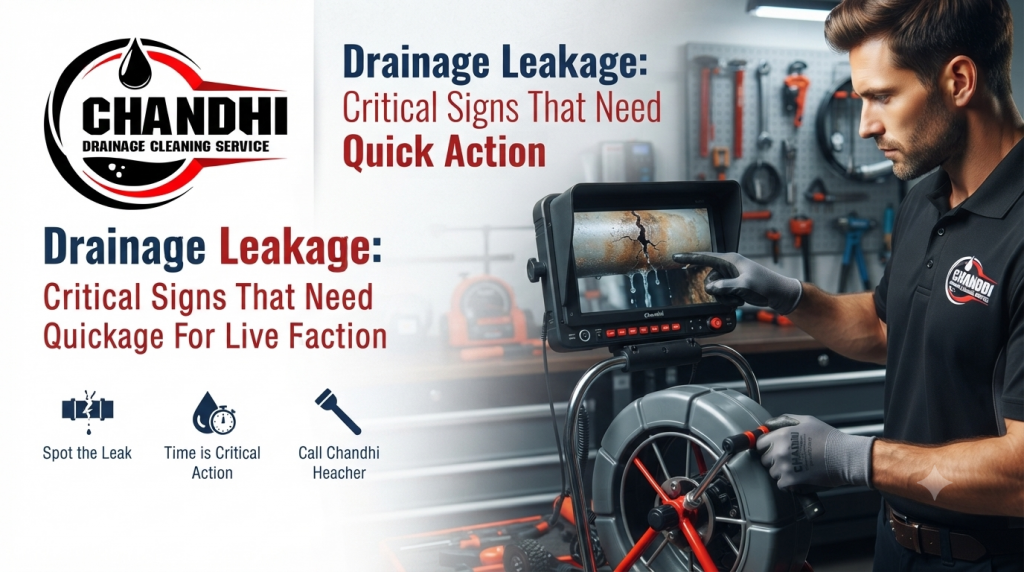
Drainage leakage can start as a minor problem but can progress to a major issue for homes, apartments, commercial buildings and other properties. A leaking drainage line can lead to unwanted wastewater spillages, unpleasant odours, damage to walls or floors and even compromise hygiene. Knowing what to look for can help you address the issue before it leads to costly repairs.
Drainage leakage can occur due to damaged pipes, loose joints, cracks, corrosion, ground movements, or older drainage systems. It can also occur underground or within walls making it difficult to locate the source of the leakage
Being aware of the possible causes and warning signs of drainage leakage can help property owners take appropriate action
What Is Drainage Leakage?
Drainage leakage can occur when wastewater leaks from a drainage pipe, joiner, chamber or any other connected drainage component instead of going down the drainage system
Unlike a visible leak from a tap or a water line, drainage leaks can involve dirty wastewater making early detection crucial to avoid the spillage of wastewater affecting property surfaces and creating unhygienic conditions
A drainage leak can occur above ground, below floors, inside walls and underground. Its location can make it challenging to spot and repair
Common Causes of Drainage Leakage
Drainage leaks can be caused by a combination of factors
1. Cracked Drainage Pipes
Drainage pipes can crack due to age or can be damaged due to heavy weight exerting pressure on top of underground pipes. Such cracks can cause wastewater to leak from the damaged area of the pipe. While a minor leak can cause a small damp patch, continuous leakage can lead to more severe damp patches
2. Damaged or Loose Pipe Joints
Drainage systems have multiple sections of pipes connected together using joints. If a joint becomes damaged or loose, wastewater can leak from this weak point. Finding a joint leak may also prove challenging since it can occur underground or inside walls
3. Ageing Drainage Systems
Drainage systems that have been in use for a long time are more prone to leakage. Pipe joints, the materials used for the pipes and other drainage components can weaken with time
If a drainage system is repeatedly experiencing leakage or other issues, it may be a sign that a professional inspection is needed
4. Ground Movement
Drainage pipes underground can be affected by ground movement. Such ground movement can cause cracks or displace joints, resulting in drainage leakage. This type of leakage can also be difficult to spot on the property
5. Poor Installation
The improper alignment of pipes, improper joint connection, or poor installation techniques can also contribute to drainage problems. Poorly installed drainage systems can prove to be more susceptible to leaks
Signs of Drainage Water Leakage
Some leaks can be easily visible while others can present themselves in more subtle ways.
Unusual Wet Patches
Wet patches or damp patches that don’t have an apparent source can indicate there is a hidden leak in the drainage system
Bad Odour
A continuous sewage or wastewater smell around your property can indicate there is a drainage leak that needs urgent attention. Sewage leakage can also produce unpleasant odours that may linger in the area around the leak
Damp Walls or Floors
Wet or damp walls and floors around bathrooms, kitchens, utility areas or outside walls can sometimes indicate there is a hidden drainage leak in the area
However, it can also be caused by other factors. That is why locating the source of the dampness is crucial before taking any action
Unexpected Water Accumulation
Accumulated water where it shouldn’t be can also be an indicator of an underground drainage leak. Especially if the water cannot be explained by rainwater or regular water use
Unhealthy Surrounding Conditions
Continuous drainage leakage can spoil the general conditions of the surrounding area, making it dirty and unpleasant for being around. Continuous dampness with wastewater can also affect the surrounding property surfaces
What Problems Can Sewage Leakage Cause?
Sewage leakage should be addressed urgently as wastewater is leaking from the drainage system. Left untreated, leakage can affect floors, walls, soil, surrounding areas and other property surfaces. It can also result in unpleasant odours and unhygienic conditions. The longer the leak is present, the higher the chances that the surrounding surfaces will be damaged. That is why property owners should investigate if there is a source of recurring dampness, unpleasant odours, unexplained water accumulation or other signs of leakage rather than just repeated cleaning of the problem area
If sewage leakage is accompanied by wastewater buildup or contamination, sewage cleaning services may be required to restore the affected area.
Untreated wastewater can create health and environmental risks, which is why sewage leakage should be addressed promptly. Learn more about India’s urban wastewater scenario.
How Is Drainage Leakage Identified?
Finding the source of a drainage leak is one of the most important factors when dealing with the issue
A professional can start by inspecting the visible signs of drainage leakage and the condition of the drainage system. They may also inspect the drainage pipes, joints, chambers and other connected components to spot the source of the leak. For underground or hidden leaks, additional inspection may be needed to locate the point of drainage leakage. Locating the issue before any repair work begins can help avoid unnecessary excavation and pipe replacement in case of a wrongly identified issue
Drainage Leakage Repair: What Should You Do?
The repair process will depend on the location and severity of the leak. A damaged joint may require joint repair, while drain pipe repair or pipe replacement may be necessary when the pipe itself is damaged. Underground leakage may require more extensive inspection to determine the source of the problem
It is best to avoid trying to repair an unknown drainage leak as a DIY project as the wrong repair work can leave the issue unresolved with the leak persisting. A professional drainage service can inspect the affected area and recommend the most suitable solution for the condition of the pipes and surrounding area
How to Reduce the Risk of Drainage Leakage
While there isn’t much that can be done to prevent all drainage leaks, it is always a good idea to have your drainage system checked for potential issues
Avoid Disposing of Harmful Materials Into Drains
Avoid putting harmful materials that can clog or damage the drainage system into the drains to avoid putting unnecessary strain on the drainage system
Watch For Early Warning Signs
Don’t overlook signs of dampness, unpleasant sewage odours, unusual water accumulation, or other suspicious conditions
Inspect Older Drainage Systems
Older drainage systems can be more susceptible to leaks. Regular professional inspection can help spot issues early before they require more expensive repair work
Address Small Issues Early
A minor leak can lead to a bigger leak if not dealt with in time. Early inspection can help reduce the effects of small drainage leaks and simplify the repair process
When Should You Contact a Drainage Professional?
You should always consider professional inspection when:
- Water keeps accumulating in the same area
- There is a sewage smell that won’t go away
- Walls or floors are damp for no apparent reason
- Wastewater keeps appearing around drainage chambers or pipes
- You suspect an underground drainage leak
- Leakages continue following attempted cleaning or repair work
- You have an old drainage system that keeps having issues
A professional assessment can help identify if the issue is related to a damaged pipe, a faulty joint, a drainage chamber or something else
Drainage Leakage vs. Drain Blockage
Drainage leakage and drainage blockage are two different problems. A drainage blockage refers to a situation where wastewater cannot flow freely down the drainage system due to a blockage in the pipe. A drainage leakage, on the other hand, refers to a situation where wastewater escapes from the drainage system due to a crack, faulty joint, faulty chamber or any other weak point in the drainage system. The two problems can, however, occur together and both require professional assessment to identify the most suitable solution
Get Professional Help for Drainage Leakage
Drainage leakage should never be ignored, especially when there are signs of wastewater, unpleasant odours, dampness, or unwanted water accumulation. Addressing the issue as early as possible can save you from further headaches and expenses. If you suspect there is drainage water leakage or even sewage leakage, professional inspection can help locate the problem area and recommend the most suitable course of action.
Contact Chandu Drainage Cleaning Services for professional assistance with drainage-related issues and have your drainage system inspected before things get worse
Frequently Asked Questions
1. What are the common signs of drainage leakage?
Common signs of drainage leakage can include persistent dampness, unusual water accumulation, unpleasant sewage odours, damp patches and wastewater spillage
2. What causes drainage leakage?
Drainage leakage can occur due to cracked drainage pipes, damaged joints, old drainage systems, ground movements and poor installation
3. Can sewage leakage damage a property?
Yes, continuous sewage leakage can damage property surfaces including walls and floors, soil and other property areas, creating unhygienic conditions
4. How can I find a hidden drainage leak?
A professional inspection can locate the source of a hidden drainage leak by examining the visible signs of the leak and checking the condition of the drainage components
5. Should drainage leakage be repaired immediately?
It is advisable to find the source of any persistent drainage leakage as soon as possible
6. Is drainage leakage the same as a blocked drain?
No, a blocked drain is a situation where the wastewater flow is obstructed while drainage leakage refers to wastewater escaping from the drainage system
Need Help with Drainage Leakage? Contact Chandu Drainage Services
If you notice drainage leakage or sewage leakage at your property, contact Chandu Drainage Services for professional inspection and drainage solutions.